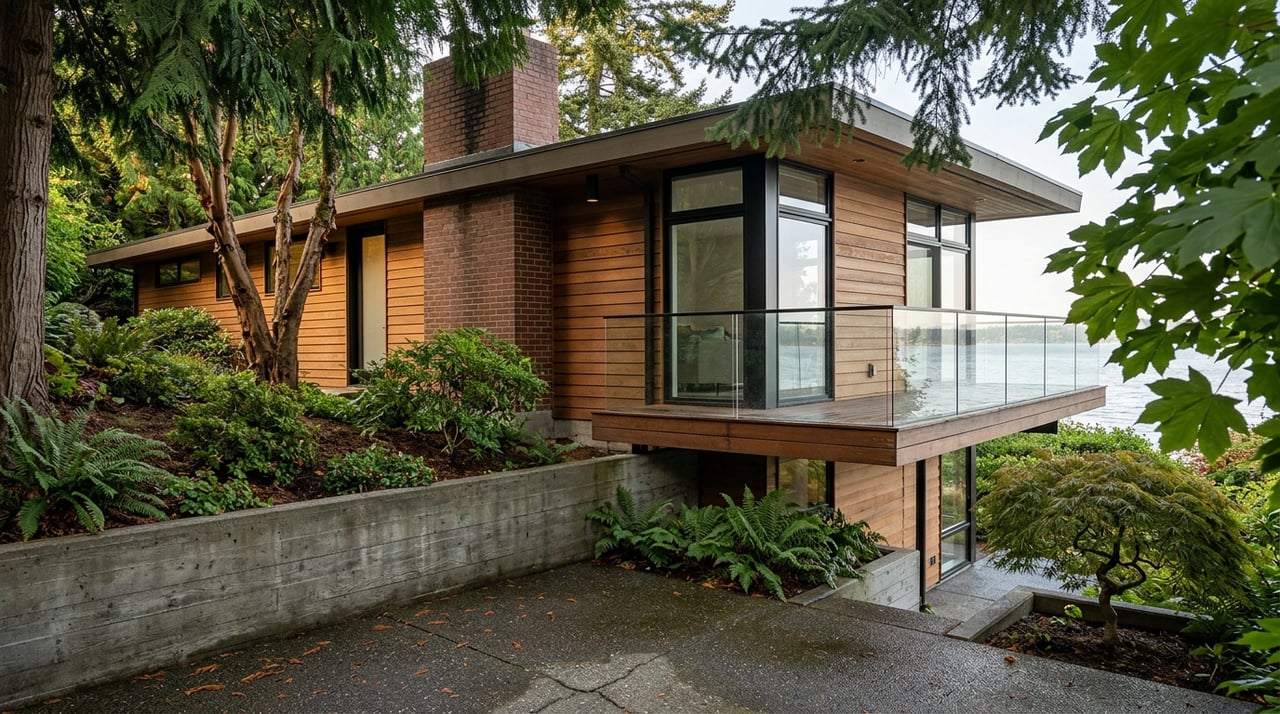
Wondering whether West Seattle waterfront living is really worth the premium? It is a smart question, especially when the same area can offer beachside homes, hillside properties with views, and inland options near daily conveniences at very different price points. If you are weighing lifestyle, budget, privacy, and long-term flexibility, understanding the real tradeoffs can help you buy or sell with more confidence. Let’s dive in.
Waterfront prices vs inland prices
In West Seattle, the pricing gap between waterfront and inland homes can be significant, but it is not always simple. In March 2026, West Seattle’s median sale price was $780,000, with homes averaging about three offers and selling in roughly 16 days. Within the area, neighborhood snapshots ranged from about $693,000 in Delridge to $985,000 in Fauntleroy, which shows how much micro-location matters.
The long-term pricing premium becomes even clearer in King County assessor data. In West Seattle Area 16, waterfront parcels made up only about 3% of the housing inventory and had an average trended sale price of $2.177 million. Inland hill neighborhoods averaged about $827,000, while other inland West Seattle neighborhoods ranged from roughly $707,000 to $751,000.
That difference reflects scarcity, views, and direct shoreline access, but not every waterfront home commands the same premium. Usable lot area, parking, topography, access, and zoning all affect value. A water-adjacent address may sound similar on paper, but the day-to-day experience and resale profile can be very different from one block to the next.
Lot size and livability
One of the biggest surprises for buyers is that waterfront living does not always mean a larger or easier property. Typical West Seattle single-family lots are often around 5,000 to 7,000 square feet, but shoreline parcels vary dramatically. King County reports West Seattle waterfront parcels ranging from 831 square feet to 42,745 square feet, with frontage from 12 to 155 feet.
That wide range matters because usable space can shape how a home lives every day. Some shoreline properties are low-bank with bulkheads, while others may have walk-in access only. In some cases, you may park on the street or in a detached garage and then use stairs to reach the home.
Inland options are often more predictable. If you are comparing a traditional inland single-family home, you may find a more conventional lot layout, easier parking, and simpler yard use. If you are comparing inland townhomes, lot sizes can be much smaller, often in the 1,000 to 1,599 square foot range, but the overall setup may still feel more straightforward.
Privacy and noise tradeoffs
Many buyers assume waterfront homes are quieter and more private, but that is not always the case in West Seattle. Along Alki Avenue SW and Beach Drive SW, King County coded almost all waterfront parcels with moderate traffic nuisance. That reflects how active these shoreline corridors can be.
Seattle Parks describes Alki Beach Park as a busy beach destination with joggers, rollerbladers, bicyclists, volleyball players, strollers, and parking along Alki Avenue SW. For some homeowners, that activity is part of the appeal. For others, it can feel like a tradeoff for the views and beach access.
Inland homes often offer less exposure to public beach traffic, but quiet still depends on the exact location. Some inland pockets feel more residential, while others sit near mixed-use areas, arterials, townhomes, or neighborhood business districts. If privacy is high on your list, the right question is not simply waterfront versus inland. It is how a specific block functions throughout the day.
Lifestyle and access
This is where the choice often becomes personal. Waterfront-adjacent homes near Alki offer direct access to the beach, open views, waterfront recreation, and public amenities. Alki Beach Park includes restrooms, fire pits, and hand-carry boat launch access, which adds to the lifestyle draw for many buyers.
West Seattle also benefits from transportation options tied to the shoreline. The King County Water Taxi connects West Seattle and downtown Seattle, and the Fauntleroy ferry terminal serves Vashon Island and the Kitsap Peninsula. If your ideal day includes walks by the water, quick access to outdoor recreation, and a scenic setting, that can be a meaningful value driver.
Inland homes often appeal to buyers who prioritize everyday convenience. The West Seattle Junction is an established business district and a city planning focus for future transit-oriented development. King County also describes several inland West Seattle areas as being within walking distance of retailers, restaurants, health clubs, and other services.
A simple way to think about it is this:
- Waterfront homes often emphasize views, recreation, and a destination lifestyle
- Inland homes often emphasize errands, flexibility, and day-to-day convenience
- The best fit depends on how you actually want to live, not just what looks best in photos
Remodeling and regulations
If you expect to remodel, expand, or significantly update a property, inland homes are often simpler. In Seattle, homes within 200 feet of the shoreline fall under the Shoreline Master Program in addition to zoning rules. Depending on the project, you may need a substantial development permit or an exemption.
The city notes that shoreline regulations address uses, environmental impacts, public access, views, and height. That means additions, rebuilds, and even some landscaping work can involve more review and more constraints than a similar project on an inland lot. This does not make shoreline improvements impossible, but it can affect timeline, cost, and design options.
For buyers who want a property they can personalize quickly, this is a major factor. For sellers, it can also influence how buyers evaluate future potential. A waterfront address may carry strong emotional appeal, but an inland lot may feel easier to improve.
Risk and long-term ownership
Waterfront homes in West Seattle come with unique environmental considerations. Seattle Public Utilities projects about one foot of sea level rise by 2050 and 2 to 5 feet by 2100. Seattle’s climate assessment also notes that coastal flooding can worsen during winter storms, king tides, and storm surge.
For bluff properties, slope stability matters too. The Washington Department of Ecology notes that landslides are common along steep Puget Sound bluffs and advises buyers to check setbacks, drainage, and past slide history. These are not reasons to avoid shoreline property outright, but they are important parts of due diligence.
Inland homes often avoid direct coastal flood exposure and many shoreline-specific concerns. That can make ownership feel more straightforward over time. Buyers comparing the two should think beyond the view and consider maintenance, insurance considerations, site conditions, and future project goals.
Resale outlook in West Seattle
There is no automatic winner when it comes to resale. Waterfront homes benefit from scarcity and lifestyle appeal, which can support strong pricing. At the same time, their buyer pool may be narrower because buyers tend to weigh access, maintenance, regulations, and hazard exposure more carefully.
Inland homes often appeal to a broader group of buyers because they usually offer more conventional lots and fewer shoreline-specific hurdles. That broader appeal can support steadier demand, especially for buyers focused on practicality. Still, pricing and timing depend heavily on the exact pocket, condition, and presentation of the home.
The local market data reinforces that point. West Seattle overall was competitive, but Alki Point’s median sale timeline was longer than West Seattle’s average. In other words, waterfront does not automatically mean faster.
How to choose the right fit
If you are deciding between a waterfront and inland home in West Seattle, focus on the tradeoffs that will affect your real life most. Start with your budget, then look at how you want your home to function every day. A beachside setting may be worth the premium for one buyer and feel impractical for another.
Here are a few questions to ask yourself:
- Do you want direct access to the shoreline, or do you prefer being closer to shops and services?
- How important are privacy and quieter streets?
- Are stairs, detached parking, or irregular lot shapes workable for you?
- Do you expect to remodel or expand in the future?
- Are you comfortable with added shoreline review or site-specific risk factors?
The best decisions usually come from matching the property to your lifestyle, not chasing a label. In West Seattle, both waterfront and inland homes can be compelling, but they serve different priorities.
Whether you are preparing to buy a shoreline home, comparing inland neighborhoods, or thinking about the resale position of your current property, working with a team that understands West Seattle block by block can make the process much clearer. If you want tailored guidance on pricing, lifestyle fit, or how to position your home in today’s market, reach out to Hines Group.
FAQs
Are West Seattle waterfront homes always more expensive than inland homes?
- Often yes, but not always by the same margin. In West Seattle Area 16, King County assessor data showed waterfront parcels averaging far above inland areas, yet exact pricing still depends on access, topography, usable lot area, and location.
Do inland homes in West Seattle usually offer more privacy?
- Often they have less public foot traffic than beach-adjacent homes, but privacy still depends on the block, nearby streets, and surrounding land uses.
Are West Seattle inland homes easier to remodel than shoreline homes?
- Generally yes. Inland homes are less likely to fall under Seattle’s shoreline rules, which can add review and permit complexity for waterfront properties within 200 feet of the shoreline.
Which has better resale potential in West Seattle: waterfront or inland homes?
- Neither is universally better. Waterfront homes benefit from scarcity and views, while inland homes often appeal to a broader buyer pool because they usually have more conventional access and fewer shoreline-specific concerns.
What is the main lifestyle difference between West Seattle waterfront and inland homes?
- Waterfront homes often center on beach access, views, and outdoor recreation, while inland homes often center on convenience to neighborhood services, business districts, and everyday errands.