If you are deciding between Gatewood and Arbor Heights, you are not just comparing two West Seattle neighborhoods. You are choosing between two different day-to-day experiences, two housing patterns, and two price points in a market that often moves fast. This guide will help you understand how these areas differ so you can narrow your search, set realistic expectations, and move with confidence. Let’s dive in.
Gatewood vs. Arbor Heights at a Glance
Both Gatewood and Arbor Heights sit in West Seattle’s southwest corner, but they feel different once you start touring homes and driving the streets. Gatewood tends to feel a bit more connected to the rest of West Seattle, while Arbor Heights often feels quieter and more residential.
That difference shows up in home styles, lot sizes, walkability, and pricing. If you know what matters most to you, whether that is character, outdoor access, lot size, or entry price, it becomes much easier to focus your search.
What Gatewood Feels Like
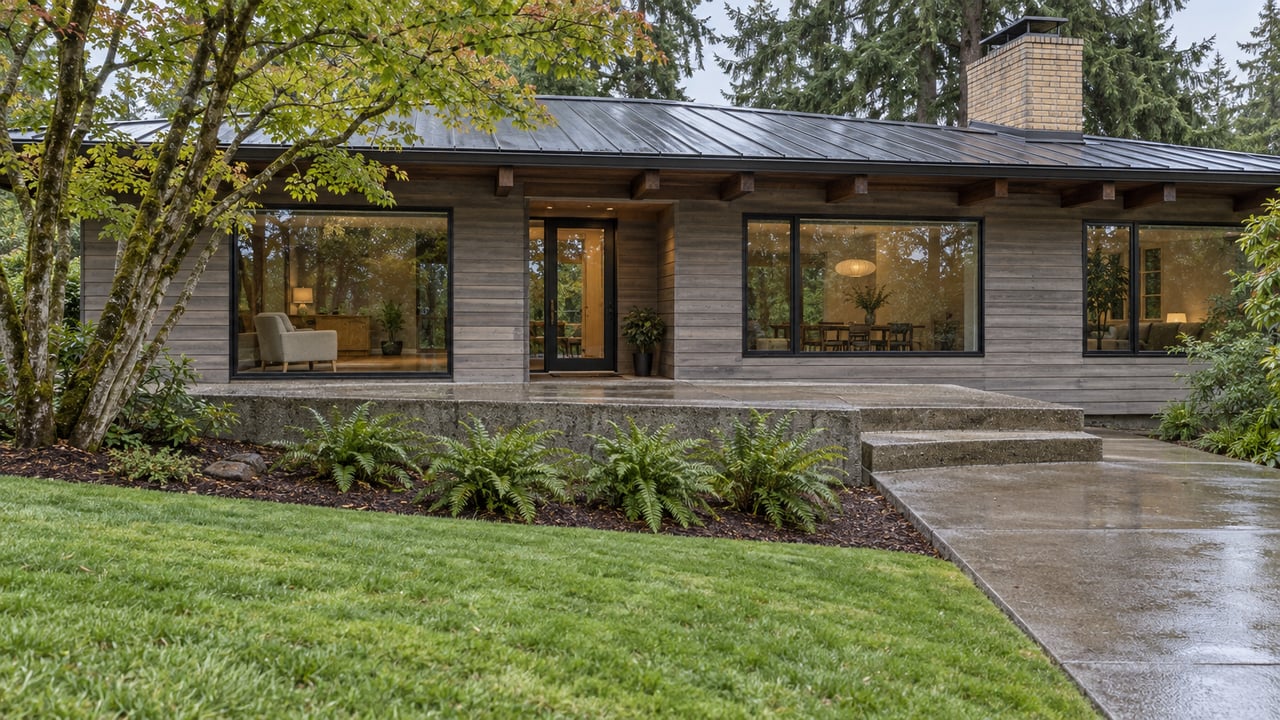
Gatewood is primarily residential and has roots as a streetcar-stop neighborhood. According to a Seattle landmark report, it does not have a major commercial center, and its housing dates back across several eras, including homes from the 1910s, many Craftsman bungalows and cottages from the 1920s and 1930s, and postwar homes from the 1950s and 1960s.
That history creates a block-by-block mix that many buyers notice right away. You may see an older cottage next to a larger newer home, since some earlier houses have been replaced by later infill. The area’s location along the West Seattle plateau edge also shapes the street layout, with short streets, switchbacks, and dead ends in some sections.
What Arbor Heights Feels Like
Arbor Heights sits farther southwest and has a more suburban pattern. A Seattle Public Schools history describes it as a one-mile-square neighborhood that was sparsely populated early on and later annexed to Seattle.
A City of Seattle report on the area around Arbor Heights Elementary notes 5,000-square-foot minimum lots north of the school and 7,200-square-foot minimum lots to the southeast and west. It also notes that many streets still lack curbs, gutters, and sidewalks because much of the area developed before annexation. In practical terms, that can mean a less urbanized feel than you may find in more central parts of West Seattle.
Housing Stock and Home Search Expectations
Gatewood homes and options
Gatewood offers a more varied listing mix. Recent Redfin data showed houses, condos, townhouses, and a small number of multifamily properties for sale.
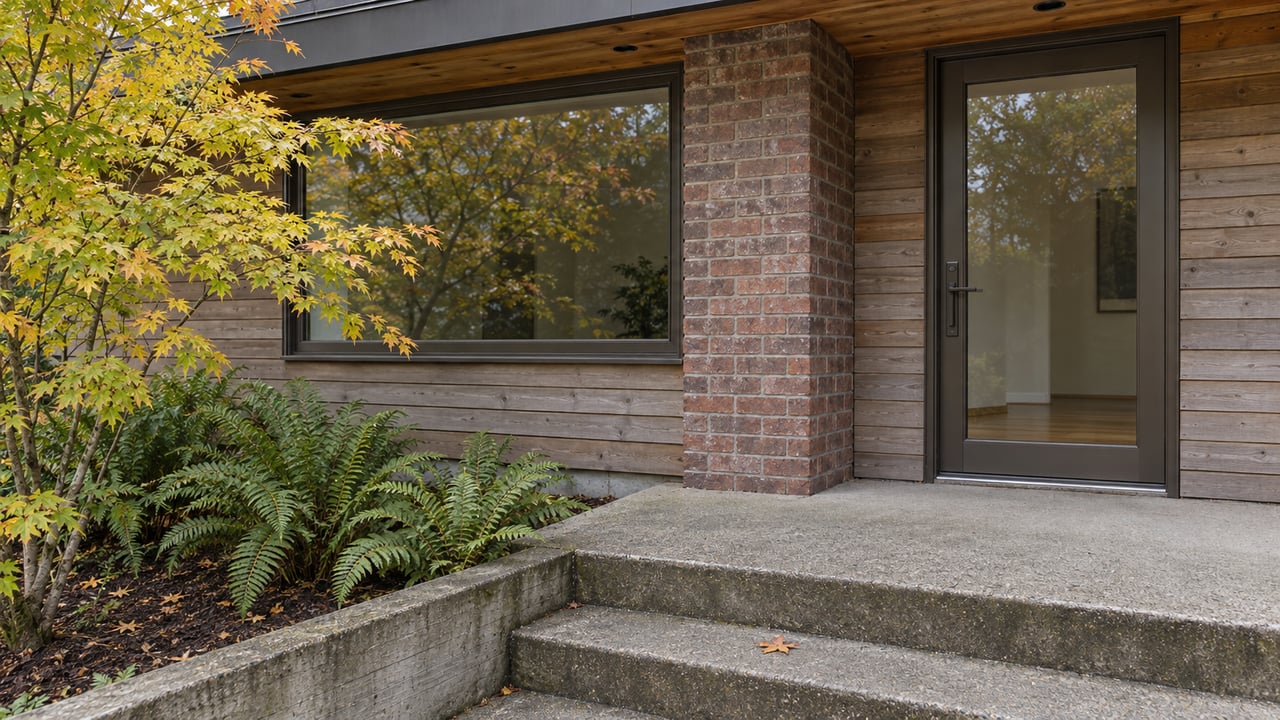
For you as a buyer, that can mean a few more ways to enter the neighborhood depending on your budget and goals. You may find classic character homes, postwar houses, or newer infill construction, sometimes all within a short distance of each other.
Arbor Heights homes and options
Arbor Heights is more centered on detached housing. Redfin showed houses there as well, but with fewer condos and just one townhouse in the recent mix cited in the research.
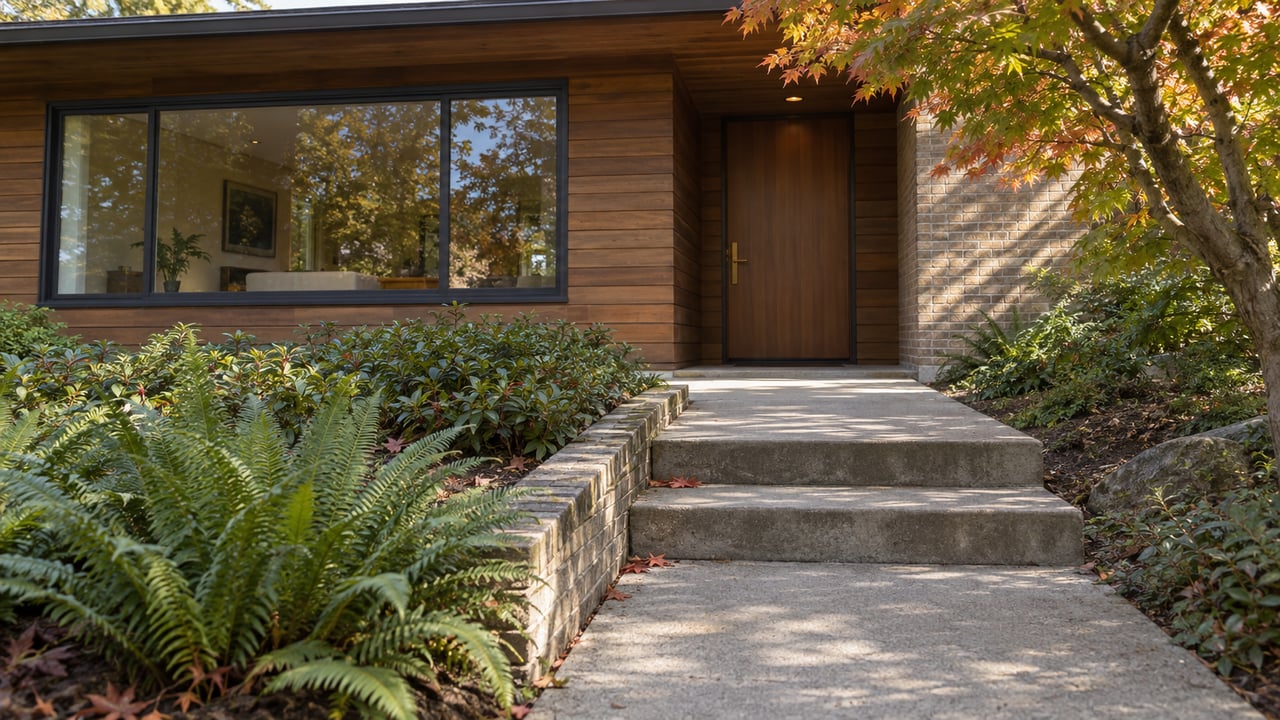
If you want a lower-density setting with roomier lot patterns, Arbor Heights may line up more naturally with your search. The tradeoff is that the housing mix is narrower, so selection may feel more limited if you want something other than a single-family home.
Price Differences to Expect
As of April 30, 2026, Zillow places Gatewood at $902,117 and Arbor Heights at $823,858. That puts Gatewood about $78,000 higher in typical home value.
The same data point shows Gatewood slightly above Zillow’s Seattle-wide average of $871,599, while Arbor Heights sits below it. If your budget is tight and you want to stay in West Seattle, Arbor Heights may offer a bit more breathing room, at least at the neighborhood-wide level.
Recent sale data supports the same general pattern. For the three months ending April 2026, Redfin reports a median sale price of $786,208 in Gatewood and $709,236 in Arbor Heights.
How Competitive the Market Is
Both neighborhoods are described as very competitive. Many homes receive multiple offers and go pending quickly, which means preparation matters before you start writing offers.
In Gatewood, Redfin reports homes selling for about 1% above list price and going pending in around 15 days. In Arbor Heights, homes were going pending in around 14 days and often selling around list price.
Neither area gives buyers much room to move slowly. Zillow also showed only 19 for-sale listings in Gatewood and 15 in Arbor Heights, which points to limited inventory in both neighborhoods.
Parks, Outdoor Access, and Everyday Lifestyle
Gatewood outdoor access
Gatewood’s lifestyle appeal is closely tied to nearby parks. Seattle Parks describes Lincoln Park as West Seattle’s major multi-purpose park, with trails, playfields, shoreline access, views, and a heated saltwater pool.
Fauntleroy Park is another major draw nearby, with a densely wooded trail network for walking, hiking, and dog-walking. If easy access to outdoor recreation is high on your list, Gatewood has a strong case.
Arbor Heights outdoor access
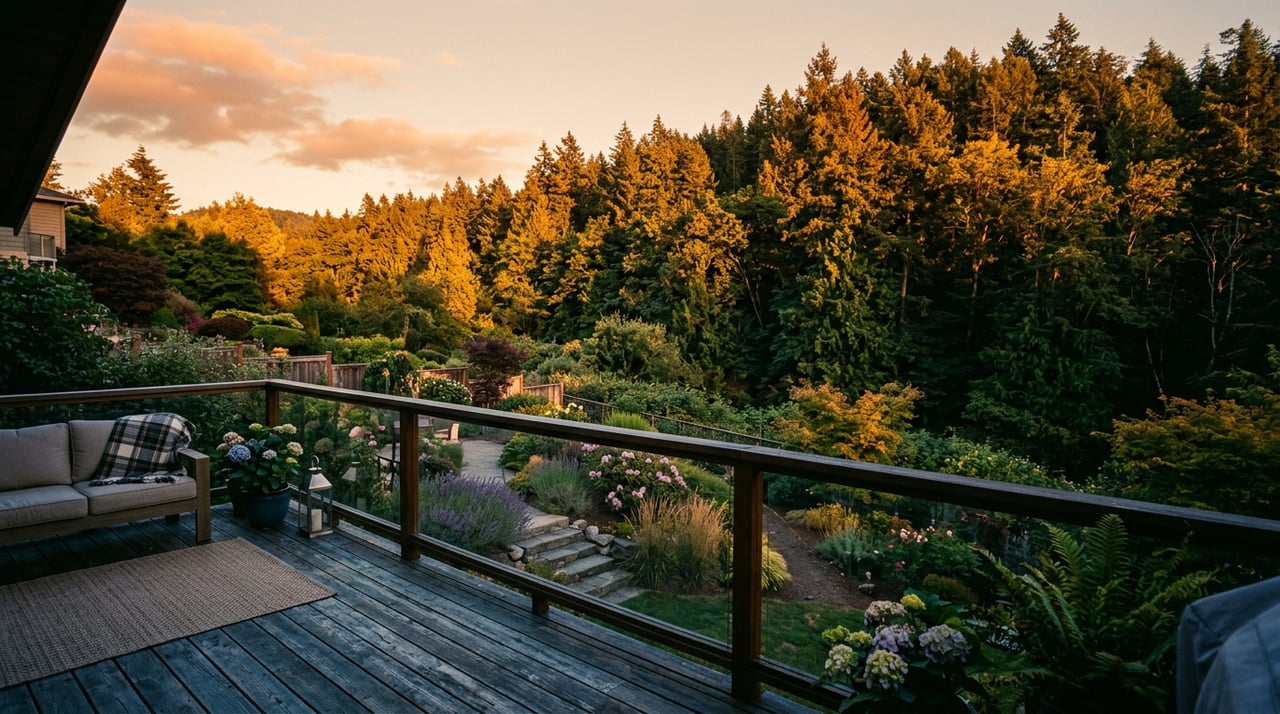
Arbor Heights has a quieter amenity profile, but it still offers useful access to nature. It is close to Arroyos Natural Area, which Seattle Parks describes as a 7.5-acre undeveloped area with Puget Sound views.
You can also reach Fauntleroy Park and Lincoln Park from Arbor Heights. For daily errands and shopping, Westwood Village serves as the main retail anchor and is described by its official site as a shopping and dining destination with year-round events.
Walkability and Transit
If walkability matters to you, this is one of the clearest differences between the two neighborhoods. Redfin gives Gatewood a Walk Score of 66 and Arbor Heights a Walk Score of 38.
That does not mean Gatewood is fully walk-everywhere, but it does suggest a more convenient on-foot experience than Arbor Heights. Arbor Heights tends to involve more driving for daily routines.
Transit is available in both areas. King County Metro Route 22 serves Gatewood, Westwood Village, Arbor Heights, Alaska Junction, and downtown Seattle, while Route 21 serves Arbor Heights, Roxhill, Westwood Village, High Point, West Seattle, SODO, and downtown Seattle.
Which Neighborhood May Fit You Best?
Gatewood may fit if you want
Gatewood is often the better match if you want:
- Older character homes and more varied architecture
- Slightly stronger walkability
- Quick access to Lincoln Park and Fauntleroy-area amenities
- A location that feels a bit more central within West Seattle
- More variety in listing types, including some condos and townhomes
You should also be ready for a somewhat higher price point. In return, you may find a neighborhood feel that blends history, outdoor access, and a little more day-to-day convenience.
Arbor Heights may fit if you want
Arbor Heights often works well if you want:
- A lower neighborhood-wide price point
- More detached homes
- Larger lot patterns
- A quieter, more residential street feel
- A setting that reads as less dense and less urban
The tradeoff is lower walkability and a search that may offer fewer housing types. Still, for many buyers, that lower-density feel is exactly the point.
Smart Buying Tips for These Areas
When you shop in either Gatewood or Arbor Heights, it helps to get specific about your priorities before you tour too many homes. These neighborhoods can overlap on price at the property level, but the lifestyle differences are often more telling than the headline numbers.
As you evaluate listings, pay close attention to:
- Street layout and access, especially in Gatewood’s hillier sections
- Lot size and outdoor space expectations
- Sidewalk, curb, and gutter conditions, especially in Arbor Heights
- Home era and likely upkeep needs
- How quickly you are prepared to act if the right home appears
In a competitive market with limited inventory, clarity matters. The more defined your must-haves are, the easier it is to move decisively when a strong opportunity comes up.
If you want expert guidance on buying in West Seattle, the team at Hines Group offers a high-touch, local approach that helps you compare neighborhoods, refine your search, and navigate a fast-moving market with confidence.
FAQs
What is the main difference between buying in Gatewood and Arbor Heights?
- Gatewood generally offers more housing variety, stronger walkability, and a slightly higher price point, while Arbor Heights tends to offer a quieter setting, larger lot patterns, and a lower neighborhood-wide price point.
How competitive is the home market in Gatewood and Arbor Heights?
- Both neighborhoods are very competitive, with many homes receiving multiple offers and going pending quickly. Recent Redfin data showed about 15 days to pending in Gatewood and about 14 days in Arbor Heights.
What home prices should buyers expect in Gatewood and Arbor Heights?
- As of April 30, 2026, Zillow placed typical home value at $902,117 in Gatewood and $823,858 in Arbor Heights, with Gatewood about $78,000 higher.
Is Gatewood or Arbor Heights better for buyers who want outdoor access?
- Both offer access to parks, but Gatewood stands out for especially close access to Lincoln Park and Fauntleroy Park, while Arbor Heights is near Arroyos Natural Area and also has access to other West Seattle parks.
Is Gatewood or Arbor Heights more walkable for daily life?
- Gatewood is more walkable based on Redfin’s reported Walk Scores, with Gatewood at 66 and Arbor Heights at 38.
What kinds of homes can buyers find in Gatewood and Arbor Heights?
- Gatewood has a more varied mix that can include houses, condos, townhouses, and some multifamily properties, while Arbor Heights is more focused on detached homes with fewer condo and townhouse options.