What if your version of coastal living is less about a vacation feel and more about how your day actually flows? In Seaview and Fauntleroy, that rhythm often looks like wooded trails, shoreline walks, quiet residential streets, and practical access to the rest of West Seattle. If you are wondering what it is really like to live in this corner of 98136, this guide will help you picture the parks, housing, errands, and commute options that shape everyday life here. Let’s dive in.
Why Seaview and Fauntleroy feel distinct
Seaview and Fauntleroy sit along the southwest edge of West Seattle, where the shoreline, bluff, and plateau shape the neighborhood as much as the homes do. According to City of Seattle landmark documentation, that topography creates short blocks, dead ends at the plateau edge, and switchbacks instead of long, continuous through-streets. The result is a quieter, more tucked-away feel than you might expect this close to the water.
That same city documentation points to a mostly residential setting, with single-family homes, duplexes, and small apartment buildings around the Seaview area. In practical terms, you get a neighborhood that feels rooted in daily living rather than built around a busy commercial strip. For many buyers, that is part of the appeal.
Coastal living here is park-centered
If you picture daily life in Seaview and Fauntleroy, start with the parks. This is one of those West Seattle pockets where outdoor access plays a major role in how the neighborhood feels from morning to evening. You are not just near the coast in theory. You are near places people actually use every week.
Lincoln Park anchors the lifestyle
Lincoln Park is the standout amenity for this area. Seattle Parks describes it as West Seattle’s major multi-purpose park, just north of the Fauntleroy ferry terminal, with 4.6 miles of walking paths, 3.9 miles of bike trails, a heated saltwater pool, shoreline access, playfields, picnic shelters, and broad Puget Sound views.
For many residents, that means the coastal lifestyle is most tangible through movement and routine. A quick walk, a longer run, bike time, time by the water, or an afternoon at the pool can all become part of ordinary life rather than something you plan for once in a while.
Fauntleroy Park offers a wooded contrast
Fauntleroy Park gives the area a different outdoor mood. Seattle Parks describes it as a densely wooded forested park with trails and paths for wandering, hiking, and dog-walking. Its vegetation planning also notes that the topography keeps most uses passive, which helps explain why it feels quieter and more natural.
If Lincoln Park is the active, open-air side of the neighborhood, Fauntleroy Park is the calmer, tree-covered counterpart. Together, they create a lifestyle that feels grounded in both shoreline access and forested green space.
Fauntleroy Creek adds local character
Fauntleroy Creek is another small but meaningful part of the neighborhood identity. Seattle Public Utilities describes it as a salmon-bearing stream with coho present, and notes that its watershed is in better condition than most urban streams. That does not make it a major destination in the same way as Lincoln Park, but it does add to the sense that nature is woven into the area.
What daily errands feel like
One of the most helpful things to know about Seaview and Fauntleroy is that the lifestyle is residential first. If you want a dense restaurant district or a long lineup of shops right outside your door, this may not be the best fit. The tradeoff is a quieter setting with strong access to parks, trees, and water.
For coffee, casual dining, and many day-to-day errands, West Seattle Junction is often the most useful commercial hub. The City of Seattle describes the Junction as a center of community life with a walkable, connected lifestyle and thriving businesses. By contrast, city historic records note that Fauntleroy never developed a substantial commercial center, which helps explain why many residents look slightly beyond the immediate shoreline pocket for shopping and dining.
That pattern shapes the daily routine in a practical way. You can enjoy a more peaceful home setting while still having a well-known West Seattle destination nearby for errands, meals, and services.
How getting around works
Transit access here is stronger than the quiet streets might suggest. While Seaview and Fauntleroy can feel tucked away, they still connect to the broader city through a mix of bus service, ferry access, and driving routes. For many residents, the right commute depends on where you go most often and when you travel.
RapidRide C Line is a key connection
King County Metro’s current 2026 schedule shows the RapidRide C Line connecting Westwood Village, Fauntleroy Ferry Terminal, Alaska Junction, Downtown Seattle, and South Lake Union. That gives this area an important direct transit link to major Seattle destinations.
For buyers who want a quieter home environment without giving up city access, that matters. It means your neighborhood can feel residential and still stay tied into a practical transit network.
Other bus routes add weekday options
Route 21 currently runs weekday service between West Seattle, SODO, Downtown Seattle, and Westwood Village. Route 22 also runs weekday service and connects Arbor Heights, Westwood Village, Gatewood, West Seattle, Alaska Junction, and Downtown Seattle.
Because Route 22 is weekday-only, weekend mobility leans more heavily on the C Line, driving, or local walking. That is an important quality-of-life detail if you are comparing neighborhoods based on how often you want to use transit outside the workweek.
The ferry shapes the area’s identity
The Fauntleroy ferry terminal is a major part of life in this pocket of West Seattle. Washington State Department of Transportation lists Fauntleroy/Vashon and Fauntleroy/Southworth among its ferry routes, and its Triangle Route planning notes that this system serves about 2.3 million customers annually and is being updated for reliability and terminal replacement work.
WSDOT also notes that ferry routes carry heavy commuter traffic during morning and evening peak periods. Even if you are not a daily ferry rider, living near the terminal influences the neighborhood’s rhythm and adds to the area’s coastal identity.
What kinds of homes you will find
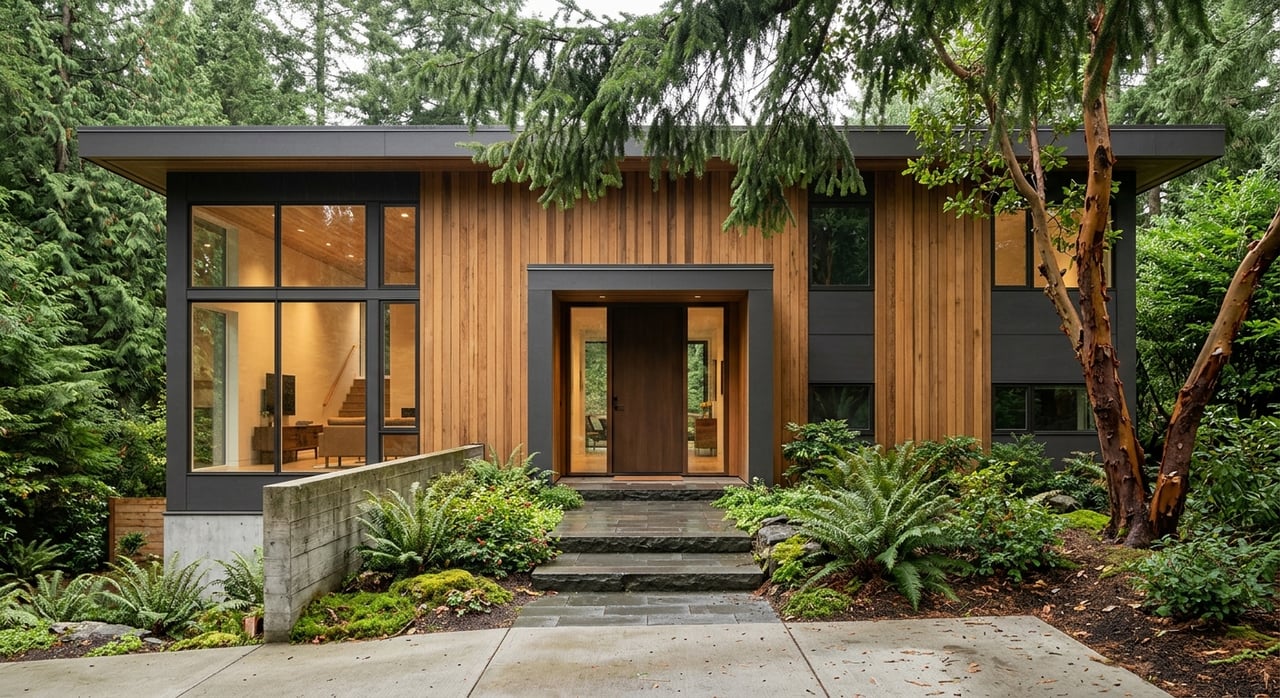
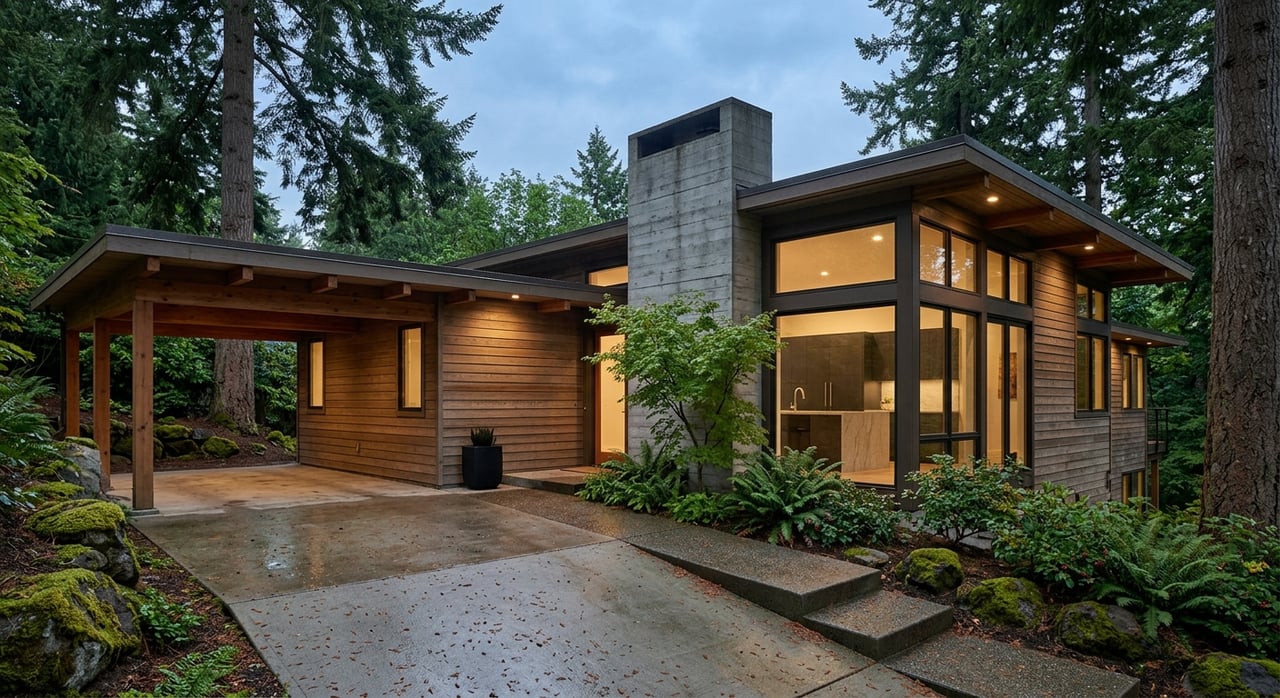
The housing in Seaview and Fauntleroy is layered rather than uniform. City landmark research describes homes from the 1910s, many Craftsman bungalows and cottages from the 1920s and 1930s, postwar homes from the 1950s and 1960s, and some newer, larger homes built since the late 1980s.
That mix creates a streetscape with more personality than a typical one-era subdivision. As you move through the area, you may see older character homes, remodeled properties, and newer replacement homes sharing the same broader neighborhood identity.
The city’s research also notes a blend of single-family homes, duplexes, and small apartment buildings in and around Seaview. That helps preserve a low-rise residential character while still offering more than one type of housing opportunity.
Who this neighborhood tends to suit
Seaview and Fauntleroy tend to appeal to buyers who want a park-centered, coastal, residential routine. If your ideal day includes shoreline walks, wooded trails, and a quieter pace at home, this area offers a compelling mix. The appeal is less about being in the middle of a busy district and more about having nature and neighborhood character close at hand.
For some buyers, that balance is exactly right. You can have access to water views, shoreline amenities, and strong outdoor spaces while still staying connected to the rest of West Seattle and Downtown Seattle through buses, ferries, and driving routes.
If you are trying to decide whether Seaview or Fauntleroy matches your lifestyle, the answer often comes down to what you want your ordinary week to feel like. If you value parks, trees, low-rise streetscapes, and a distinctly coastal West Seattle setting, these neighborhoods deserve a closer look.
When you are ready to explore how Seaview and Fauntleroy fit your goals, Hines Group offers the local insight and high-touch guidance to help you make a confident move.
FAQs
What is everyday life like in Seaview and Fauntleroy?
- Everyday life in Seaview and Fauntleroy is shaped by quiet residential streets, access to Lincoln Park and Fauntleroy Park, shoreline proximity, and a slower pace than busier parts of West Seattle.
What parks are near Seaview and Fauntleroy in West Seattle?
- The main nearby parks are Lincoln Park, with walking paths, bike trails, shoreline access, a heated saltwater pool, and playfields, and Fauntleroy Park, which offers wooded trails and more passive outdoor use.
What kinds of homes are common in Seaview and Fauntleroy?
- Housing in Seaview and Fauntleroy includes homes from the 1910s, Craftsman bungalows and cottages from the 1920s and 1930s, postwar homes from the 1950s and 1960s, and some newer replacement homes built since the late 1980s.
Where do Seaview and Fauntleroy residents go for errands and dining?
- Many residents look to West Seattle Junction for coffee, casual dining, and day-to-day errands, since Fauntleroy itself never developed a substantial commercial center.
How do you commute from Seaview and Fauntleroy to Seattle?
- Common commute options include the RapidRide C Line, weekday bus routes like the 21 and 22, driving, and ferry access through the Fauntleroy terminal depending on your destination and schedule.
Is coastal living in Seaview and Fauntleroy about waterfront access or parks?
- In everyday terms, the coastal lifestyle here is often more about regular use of parks, trails, shoreline walks, and Puget Sound views than direct private waterfront access.