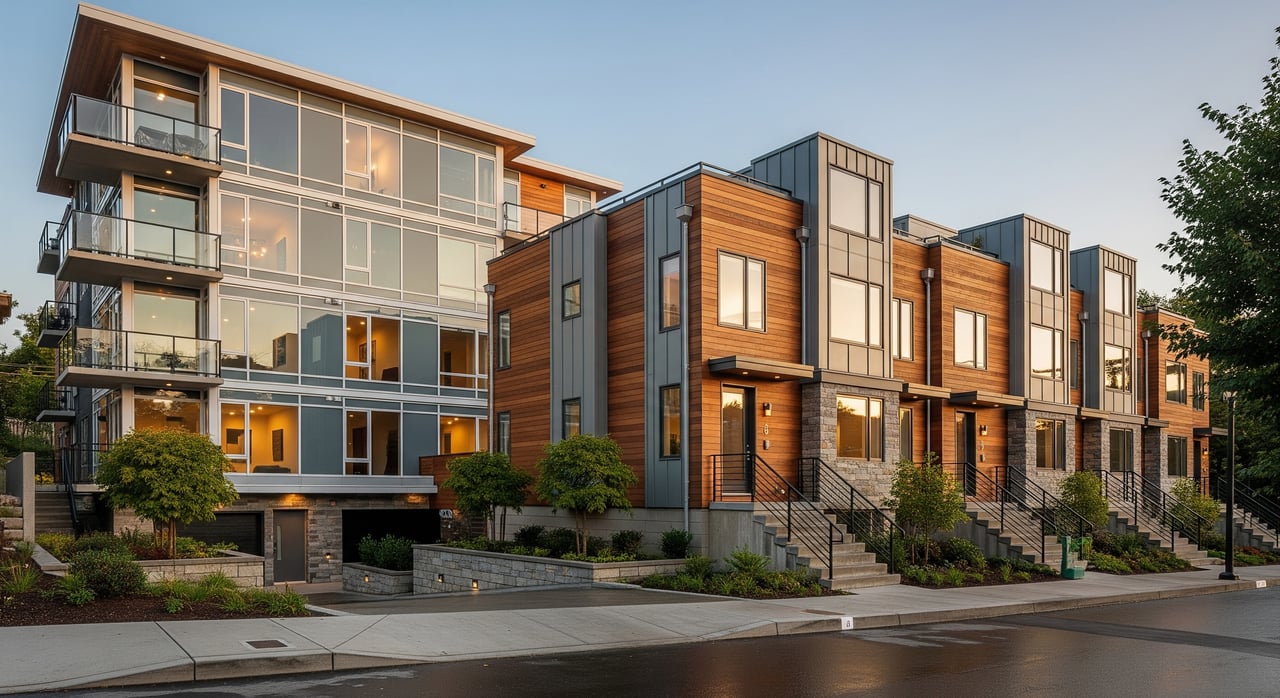
Torn between a condo and a townhome near The West Seattle Junction in 98116? You’re not alone. You want walkability, low stress, and smart long-term value, but the details can feel overwhelming. In this guide, you’ll get a clear breakdown of what you actually own, how HOA dues work, what to expect with parking and noise, and how to make the best choice for your lifestyle. Let’s dive in.
What you own: condo vs. townhome
Choosing between a condo and a townhome starts with ownership. With a condo, you typically own the interior of your home and share an undivided interest in common areas like the roof, exterior, halls, and amenities. With a townhome, you usually own the unit and the land it sits on, often from the ground to the roof, even if you share party walls.
Ownership affects what you can change and who pays for what. Condo associations govern common areas and enforce covenants, conditions, and restrictions. Townhome communities may have an HOA too, but the scope varies more widely, especially for exterior upkeep.
Financing and insurance basics
Lender rules can differ. Condos, particularly in older or smaller projects, may face stricter loan approvals because the building itself must meet lender eligibility standards. If you’re going with conventional financing, verify the condo project’s approval status early.
Insurance also differs. Condos usually carry a master insurance policy for the building exterior and common elements, while owners carry an HO-6 policy for interiors and personal property. Townhome owners typically use a standard homeowners policy that covers the structure and interior, depending on how the HOA allocates responsibilities in the governing documents.
HOA scope and your true monthly costs
HOA dues are not one-size-fits-all. Condos often have higher monthly dues because you share more building systems, amenities, and insurance costs. Townhome dues may be lower, but the HOA could cover less, which shifts some exterior costs to you.
What dues usually cover
- Condos: Exterior and roof, building envelope, elevators, shared HVAC or mechanical systems, common area utilities, trash, building insurance, landscaping, snow removal, amenities, and management fees.
- Townhomes: Often landscaping, private roads, shared fencing, trash pickup, and limited common elements. Some townhome HOAs also cover exteriors and roofs, but many leave more exterior maintenance to individual owners.
Reserves, assessments, and risk
A healthy reserve fund is a major factor in your long-term cost. Reserve studies estimate future capital needs, such as roof or siding replacement. Special assessments are more likely when reserves are low or when older buildings have major upcoming projects.
Seattle’s climate can stress building envelopes and window seals over time. That makes reserves, repair history, and any recent building-envelope projects important to review for both condos and townhomes.
Due diligence to request
Ask the seller or HOA for the full packet. Key items include:
- Current HOA budget and the latest reserve study
- Meeting minutes from the last 12 to 24 months
- Master insurance summary and deductible details
- List of special assessments in the last 5 years
- Rental and pet rules
- Rules around exterior changes and any pending litigation
Living near The West Seattle Junction: local factors that matter
The Junction is one of West Seattle’s primary commercial centers along the California Ave SW corridor. It is known for convenient access to shops, restaurants, services, and transit connections. If you value walkable errands and café culture, proximity to The Junction is a key advantage.
Walkability and commuting
Bus service and the West Seattle Bridge have shaped commute patterns in recent years. Changes to routes or bridge availability can affect demand and travel times to downtown or South Lake Union. When you consider a specific address, check the current transit status before you finalize your decision.
Parking realities
Parking is a major differentiator near The Junction. Older buildings may offer limited or no off-street parking, while newer projects often include garage stalls. Confirm whether parking is deeded, assigned, tandem, or shared, and whether the stall dimensions meet your needs, including EV charging if that matters to you.
On nearby streets, you’ll see a mix of paid parking, time-limited spaces, and residential permit zones on certain blocks. Visitor parking and daytime street rules vary. Verify current restrictions through city programs and documents tied to the property.
Noise and privacy
Mixed-use condo buildings near The Junction can have street-level commercial noise from restaurants, bars, and transit. Wood-frame buildings, especially older ones, can transmit more impact and airborne sound. Townhomes with private entries and some setback may offer a greater sense of privacy, though construction quality and soundproofing vary widely in both categories.
If noise is a concern, ask about construction type and any sound attenuation features. You can also visit at different times of day to get a feel for ambient noise.
Climate and maintenance
Seattle’s wet climate puts extra pressure on siding, roofs, and window seals. Look for a clear history of building-envelope maintenance and recent repairs. The HOA’s reserve study should reflect plans for these items, which can reduce surprise costs later.
Resale outlook around 98116
Who your future buyer might be
Condos often attract buyers who prioritize walkability and a lock-and-leave lifestyle, including young professionals and empty nesters. Townhomes usually appeal to people who want more bedrooms, multi-level layouts, and private outdoor space, all while staying close to The Junction.
Investors pay close attention to rental policies. Many condo communities have rental caps or owner-occupancy rules, which can limit the investor buyer pool and affect liquidity.
Pricing patterns and new construction
Historically, condos in West Seattle have traded at lower absolute prices than townhomes, though price per square foot varies by building age and quality. New construction in both categories often comes at a premium thanks to parking, finishes, energy efficiency, and amenities. Keep in mind that newly formed HOAs can experience early growing pains as reserves and policies mature.
Negotiation levers to remember
- Parking: Assigned and covered parking is consistently valued near The Junction. Limited or no parking can reduce buyer interest and price tolerance.
- HOA health: Thin reserves or recent special assessments are leverage points. You can negotiate for seller credits or price adjustments when risk is documented.
- Rental rules: Strict rental caps can limit future flexibility and investor interest, which may affect value.
A simple decision framework
Use two primary priorities, then layer in space, parking, and privacy.
- High walkability and high lock-and-leave: Lean condo. Centralized maintenance, on-site management, and a simpler lifestyle if you travel often. Confirm what the HOA covers and how well the building is managed.
- High walkability and low lock-and-leave: Lean townhome. You stay close to The Junction with more privacy and space. Expect more owner responsibility for exterior items unless the HOA covers them.
- Lower walkability and high lock-and-leave: Either can work. Townhomes may offer more space for the price while staying manageable if the HOA handles shared elements.
- Lower walkability and low lock-and-leave: Lean townhome or consider single-family. You gain control and outdoor space, but you take on more maintenance.
Quick self-checklist
Ask yourself and your lender or agent these questions:
- How often will you walk to The Junction for daily needs versus driving?
- Do you want the ability to “lock and leave” for extended travel with minimal upkeep?
- How many bedrooms, bathrooms, and square feet do you truly need?
- Is assigned or covered parking a must-have, and is it deeded or just assigned by the HOA?
- How sensitive are you to street-level or neighbor noise?
- Do you plan to rent the home at any point? What are the HOA’s rental policies?
- Are you comfortable handling exterior maintenance, or do you prefer an HOA-managed building?
- What is the HOA’s reserve status and history of special assessments?
Your next steps
You can make a confident choice by pairing lifestyle priorities with clear due diligence. Request the full HOA packet, including the budget, reserve study, rules, insurance summary, and meeting minutes for the last 12 to 24 months. Confirm parking type and documentation, review rental and pet policies, and note any special assessments in the past five years.
If financing a condo, ask your lender to verify project eligibility early so you can move quickly when you find the right fit. When noise or privacy matters, look into construction type and consider additional inspections. For market context in 98116, review recent sales from trusted local sources to understand price patterns, days on market, and inventory for similar condos and townhomes.
When you are ready to compare specific options near The Junction, connect with a local team that understands the trade-offs and how they show up in real listings. The right guidance helps you weigh walkability, lock-and-leave convenience, space, parking, and resale so you can purchase with clarity. If you would like a tailored plan and property shortlist, reach out to the Hines Group for neighborhood-driven advice and a seamless experience. Request a Complimentary Home Consultation.
FAQs
What’s the core difference between condo and townhome ownership in 98116?
- Condos typically include ownership of the interior plus shared common elements, while townhomes are usually fee-simple ownership of the unit and land, which affects control, maintenance, and costs.
How do condo and townhome HOA dues typically compare near The Junction?
- Condo dues are often higher because they cover more shared systems, insurance, and amenities; townhome dues can be lower but may shift more exterior responsibilities to the owner.
What HOA documents should I review before buying near The Junction?
- Request the budget, reserve study, insurance summary, meeting minutes for 12–24 months, recent special assessment history, and all rules, including rental, pet, and exterior-change policies.
How does parking influence value in The Junction area?
- Assigned or covered parking is consistently valued and can influence both buyer demand and pricing; confirm whether parking is deeded, assigned, tandem, and whether visitor parking is available.
What should I know about noise and privacy in mixed-use or wood-frame buildings?
- Mixed-use condos near commercial corridors can have more street-level noise, and older wood-frame buildings may transmit more sound; construction type and soundproofing are key factors to verify.
How do rental restrictions impact resale for condos vs. townhomes?
- Condos often have rental caps or owner-occupancy rules that reduce investor demand and can affect resale liquidity; review policies early if future rental flexibility matters to you.